 (+035) 527-1710-70
 NEWSLETTER
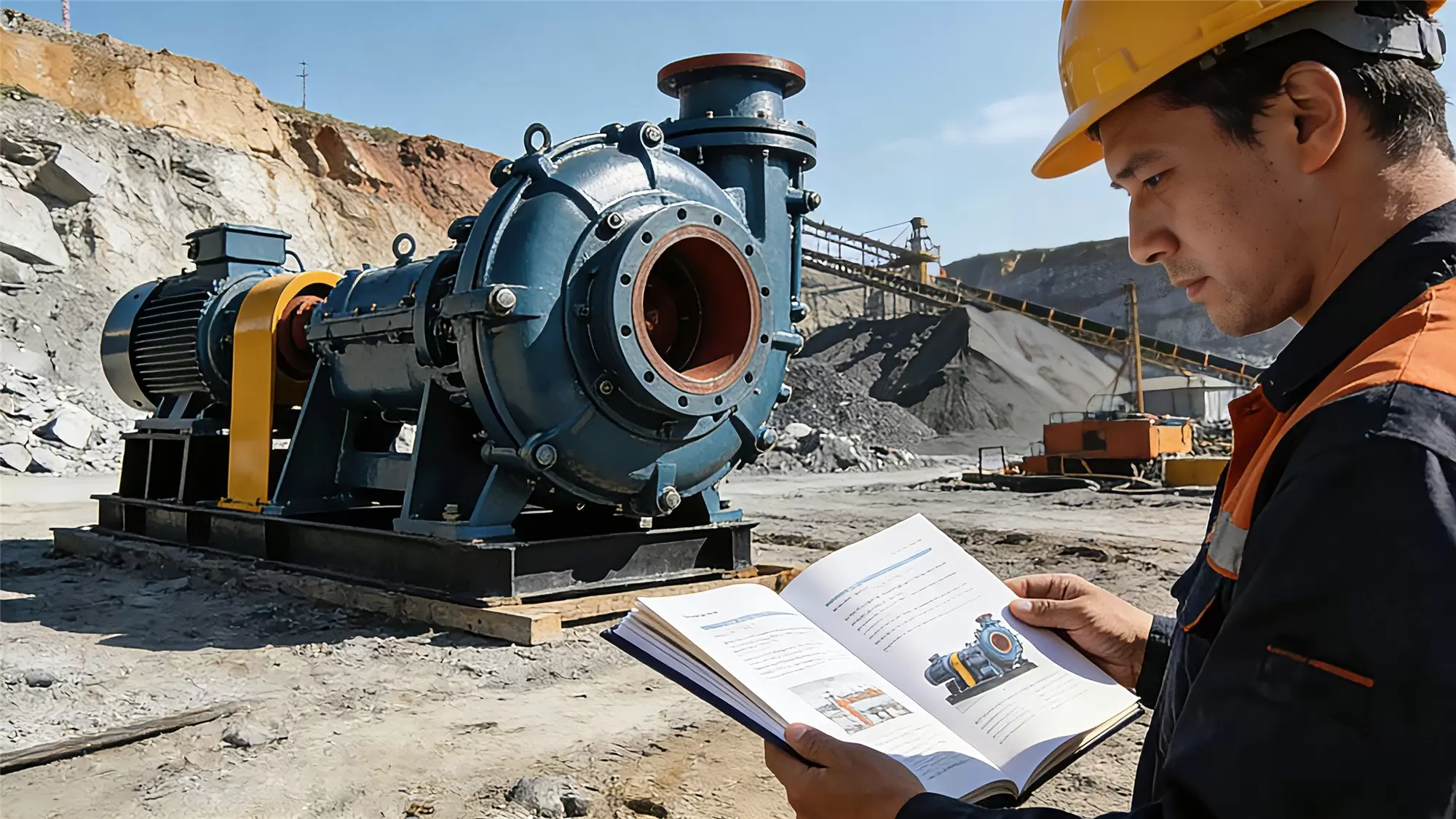
The flow components of a slurry pump—including the impeller, pump casing, and guard plate—are critical to its performance, durability, and operational efficiency. Selecting the right materials for these components directly impacts the pump’s service life, maintenance costs, and ability to handle specific slurry conditions. This guide breaks down the key factors and practical material choices to help you make informed decisions.
Key Considerations for Material Selection
Material selection for slurry pump flow components hinges on three core factors: slurry characteristics, operating conditions, and cost & maintenance requirements. Below is a detailed analysis of each factor and corresponding material recommendations.
1. Slurry Characteristics: Match Materials to Slurry Properties
The physical and chemical properties of the slurry are the primary determinant of material selection. Focus on two critical attributes: solid content/particle hardness and corrosiveness.
1.1 Solid Content & Particle Hardness
The abrasiveness of the slurry—driven by solid particle concentration and hardness—directly wears on flow components. Choose materials with wear resistance tailored to these conditions:
- High Solid Content + High Hardness Particles
Slurries with high concentrations of hard particles (e.g., quartz sand-rich slurries) demand exceptional wear and impact resistance. High chromium cast iron (15%–30% chromium content) is the optimal choice. Its dense chromium carbide structure withstands severe erosive wear from hard particles, extending component lifespan significantly.
- Low Solid Content + Low Hardness Particles
For low-abrasion slurries (e.g., sewage treatment sludge), cost-effective materials suffice. Ordinary cast iron offers basic wear resistance at a low cost, while cast steel provides better strength and toughness for general wear scenarios. Both balance performance and budget for non-demanding applications.
1.2 Corrosiveness
Corrosive slurries (acidic, alkaline, or solvent-based) require materials with chemical stability to avoid degradation:
- Strongly Corrosive Slurries
Slurries containing sulfuric acid, hydrochloric acid, or other aggressive chemicals need materials with superior corrosion resistance:
- 316L Stainless Steel: High molybdenum content enhances resistance to pitting, crevice corrosion, and chemical attack.
- Fluoroplastics: Exceptional chemical stability—resists nearly all strong acids, alkalis, and organic solvents, making it ideal for extreme corrosion.
- Weakly Corrosive Slurries
Slightly acidic or alkaline water-based slurries benefit from ductile iron. Alloying elements improve its corrosion resistance, while its cost-effectiveness makes it a practical choice for moderate conditions.
2. Operating Conditions: Adapt to Temperature & Pressure
Pump operating environment—specifically temperature and pressure—dictates material strength, heat resistance, and structural integrity.
2.1 Temperature
- High-Temperature Environments
Slurries like thermal power plant high-temperature ash (exceeding 100°C) require heat-resistant steel (e.g., 1Cr18Ni9Ti). This material retains excellent strength and corrosion resistance at elevated temperatures, preventing deformation or failure.
- Normal-Temperature Environments
Most standard materials (cast iron, cast steel, stainless steel) meet requirements for room-temperature operations. Prioritize wear and corrosion resistance when selecting materials here.
2.2 Pressure
- High-Pressure Conditions
High-pressure slurry pumps (e.g., coal-water slurry pumps) need materials with high strength and toughness. High-strength alloy steel, After special processing, withstands the extreme stresses of high-pressure operation without cracking or fatigue.
- Low-Pressure Conditions
Low-pressure applications have relaxed strength requirements. Cost-effective options like ordinary cast iron or cast steel are sufficient, reducing equipment procurement costs.
3. Cost & Maintenance: Balance Performance and Practicality
While performance is critical, cost and maintenance feasibility ensure long-term operational efficiency.
3.1 Cost Factors
Under the premise of meeting operational requirements, prioritize cost-effectiveness:
- High-performance materials (high chromium cast iron, 316L stainless steel) come with higher price tags. Reserve them for demanding conditions (high abrasion/corrosion).
- For low-requirement scenarios, use low-cost materials (ordinary cast iron) to minimize upfront investment.
3.2 Maintenance Difficulty
Material selection should align with on-site maintenance capabilities:
- Brittle materials (e.g., ceramics) offer excellent wear/corrosion resistance but are prone to damage during installation and use, increasing maintenance complexity and downtime.
- Flexible materials (e.g., rubber) are easy to install and replace, reducing maintenance costs and technical requirements—ideal for sites with limited maintenance resources.
Summary: Core Principles for Material Selection
The key to selecting slurry pump flow component materials is to match material properties to actual needs:
- Prioritize wear/corrosion resistance based on slurry characteristics.
- Ensure temperature/pressure resistance aligns with operating conditions.
- Balance performance, cost, and maintenance feasibility.
By following these guidelines, you can optimize pump reliability, reduce downtime, and maximize return on investment.