 (+035) 527-1710-70
 NEWSLETTER
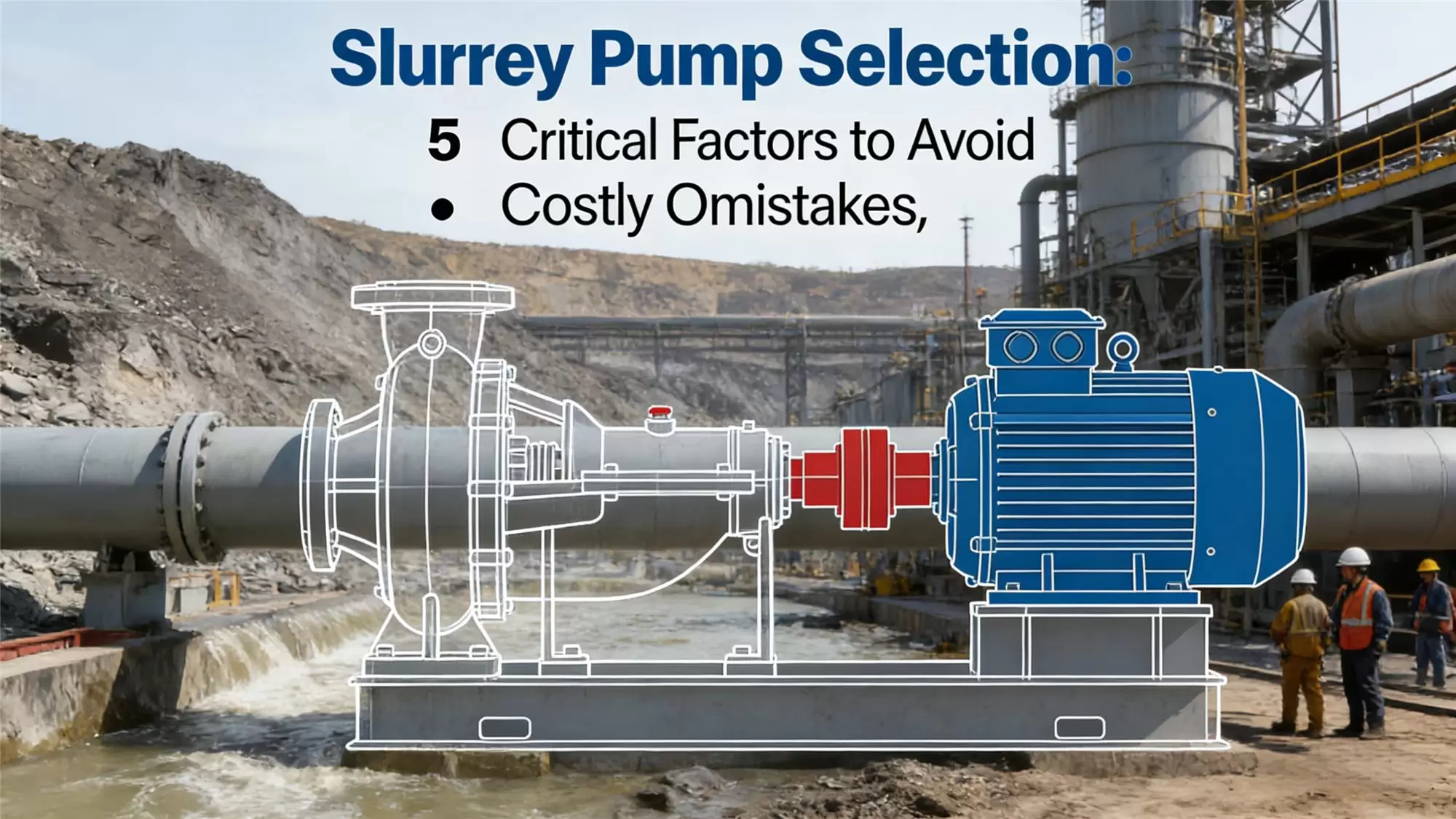
Choosing the right slurry pump isn’t just about matching specs—it’s about preventing unplanned downtime, excessive wear, and wasted energy. Whether you’re handling mining tailings, wastewater sludge, or industrial slurries, the wrong pump can lead to costly repairs and disrupted operations. Below, we break down the 5 core factors you must consider for a reliable, efficient selection.
1. Nail Down the Basic Parameters First
Before diving into details, start with the two non-negotiable metrics: flow rate and head. These form the foundation of your pump selection.
- Flow Rate: This is the volume of slurry your system needs to move per unit time (typically m³/h or L/s). Don’t just use the “average” flow—account for peak demand and fluctuations (e.g., sudden surges in production). Undersizing the flow rate will bottleneck your system, while oversizing wastes energy.
- Head: Think of head as the “lifting power” of the pump (measured in meters). Calculate it by factoring in vertical lift, pipeline friction, and inlet/outlet pressure differences (the Bernoulli equation is your go-to tool here). Always add a 5-10% safety margin—pipeline clogs or slurry thickening can quickly increase required head, and a buffer prevents performance failure.
2. Understand Your Slurry: The #1 Factor for Longevity
Slurry properties are the biggest drivers of pump wear and performance. Ignore them, and your pump will fail prematurely.
- Density: Heavier slurries (higher density) demand more motor power. A pump sized for water won’t handle dense mineral slurries—you’ll burn out the motor or lose flow. Always use the actual slurry density(not water density) when calculating power needs.
- Viscosity: Thick, high-viscosity slurries (e.g., sludge) resist flow, reducing pump efficiency. For these, choose pumps with larger impeller diameters and lower speeds—they generate more torque to move thick fluids without straining.
- Solid Content & Particle Size: Slurries with high solid content (e.g., mining slurries) are abrasive. Opt for wear-resistant materials like high-chromium cast iron or ceramics for flow components (impellers, liners). For large/irregular particles (over 5mm), go with non-clogging pumps—they have wider flow channels to prevent jams.
3. Match the Pump to Your Operating Environment
Your pump’s surroundings matter just as much as the slurry itself.
- Temperature: High-temperature slurries (over 80°C) degrade standard materials and seals. Look for pumps with high-temperature mechanical seals and bearing cooling systems—otherwise, seals will leak and bearings will overheat.
- Corrosiveness: Acidic, alkaline, or chemical-laden slurries (e.g., wastewater treatment) require corrosion-resistant materials. Stainless steel works for mild corrosion, while fluoroplastics handle harsh chemicals.
- Installation Space: Tight areas? Vertical slurry pumps save floor space and work well with low liquid levels. For easy maintenance (e.g., frequent impeller checks), horizontal pumps are better—they’re easier to access.
4. Prioritize Performance & Reliability
A cheap pump might save money upfront, but it’ll cost more in the long run. Focus on these two metrics:
- Efficiency: High-efficiency pumps cut energy costs—look for models with a efficiency rating (BEP, Best Efficiency Point) close to your operating conditions. A 10% efficiency boost can save thousands in annual energy bills.
- Reliability & Maintainability: Slurry pumps run 24/7—choose reputable brands with proven durability. Also, opt for pumps with simple designs: easy-to-remove impellers, replaceable seals, and accessible bearings. This reduces downtime when maintenance is needed.
5. Don’t Overlook Economics & Compatibility
Finally, balance performance with cost and system integration.
- Total Cost of Ownership (TCO): Don’t just compare purchase prices. Calculate installation costs, energy consumption, and maintenance expenses (e.g., replacement parts). A slightly more expensive pump with better efficiency and durability will have a lower TCO over 5 years.
- Supporting Equipment Compatibility: Ensure your pump matches your motor, reducer, and pipeline system. Mismatched parameters (e.g., a motor with insufficient power) will cause system failures. Check connection sizes, pressure ratings, and speed compatibility.
Final Tip: When in Doubt, Consult the Experts
Slurry pump selection is complex—small mistakes lead to big costs. If you’re unsure (e.g., unusual slurry properties, tight space constraints), work with a manufacturer or engineer who specializes in slurry systems. They can run simulations, test slurry samples, and recommend a pump tailored to your needs.
By focusing on these 5 factors, you’ll select a pump that’s efficient, durable, and cost-effective—keeping your operations running smoothly.